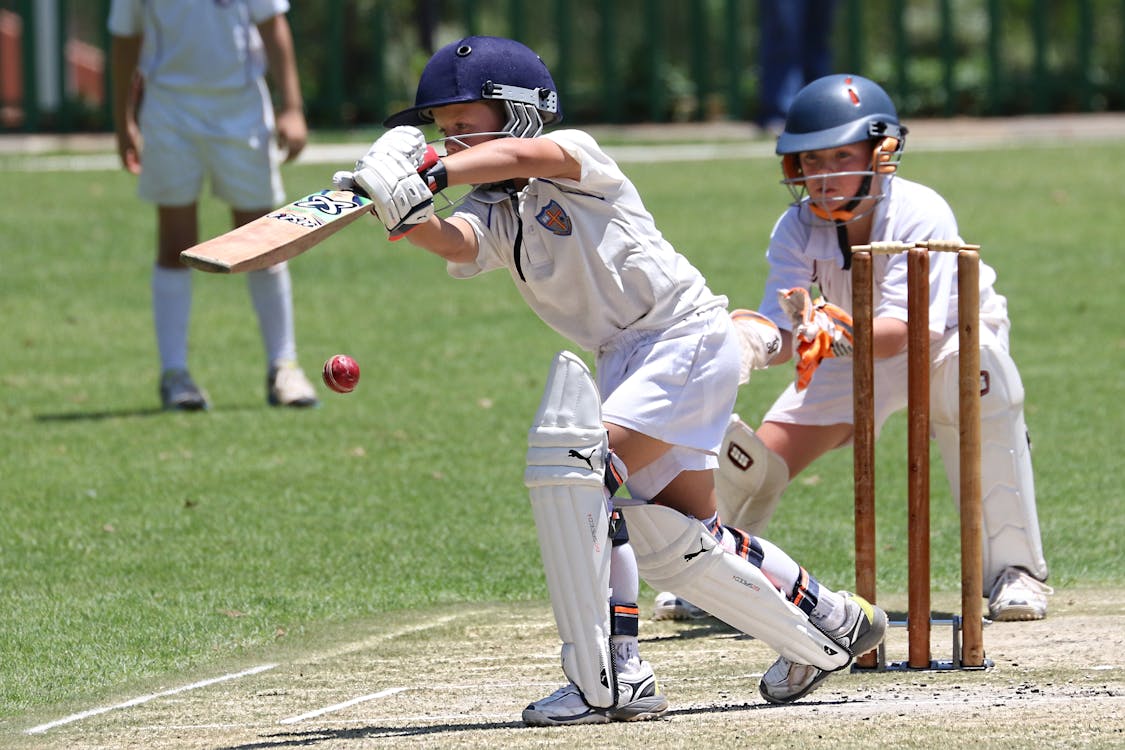
Understanding cricket's fielding positions is essential for appreciating the game's tactical depth. There are over 30 named fielding positions, each with specific strategic purposes depending on the bowler's approach and the batter's strengths. This comprehensive guide covers every position on the cricket field.
Cricket Fielding Positions: The Definitive Breakdown of Every Role
ADVERTISEMENT

Fielders stationed near the bat aim to take catches from edges and deflections:
These positions within the 30-yard circle are critical in limited-overs cricket. Cover and mid-off protect the off side, while mid-on and midwicket guard the leg side. Point and square leg patrol the square areas. During powerplays, only two fielders are allowed outside this circle, concentrating defensive resources in the infield.
ADVERTISEMENT
Deep fielders protect the boundary rope and include deep square leg, long-on, long-off, deep point, third man, and fine leg. In T20 cricket, captains frequently rotate these positions between deliveries to counter specific batters. The placement of boundary riders is often the difference between conceding four runs and taking a crucial catch.
ADVERTISEMENT
Field settings vary dramatically between formats. Test captains may employ a full slip cordon of four slips plus gully, while T20 captains rarely use more than one slip. Spin bowlers typically set fields with close catchers on both sides, creating catching pressure. Modern analytics now drive field placements using wagon wheel data and batter tendencies.
ADVERTISEMENT
Related Articles