
The FIFA World Rankings have measured national team strength since 1993, influencing tournament seedings, qualification paths, and national prestige. The current ranking system, revised in 2018, uses an Elo-based methodology providing more accurate assessments. This guide breaks down the rankings comprehensively.
FIFA National Team Rankings: 2026 Analysis & Historical Breakdown
ADVERTISEMENT
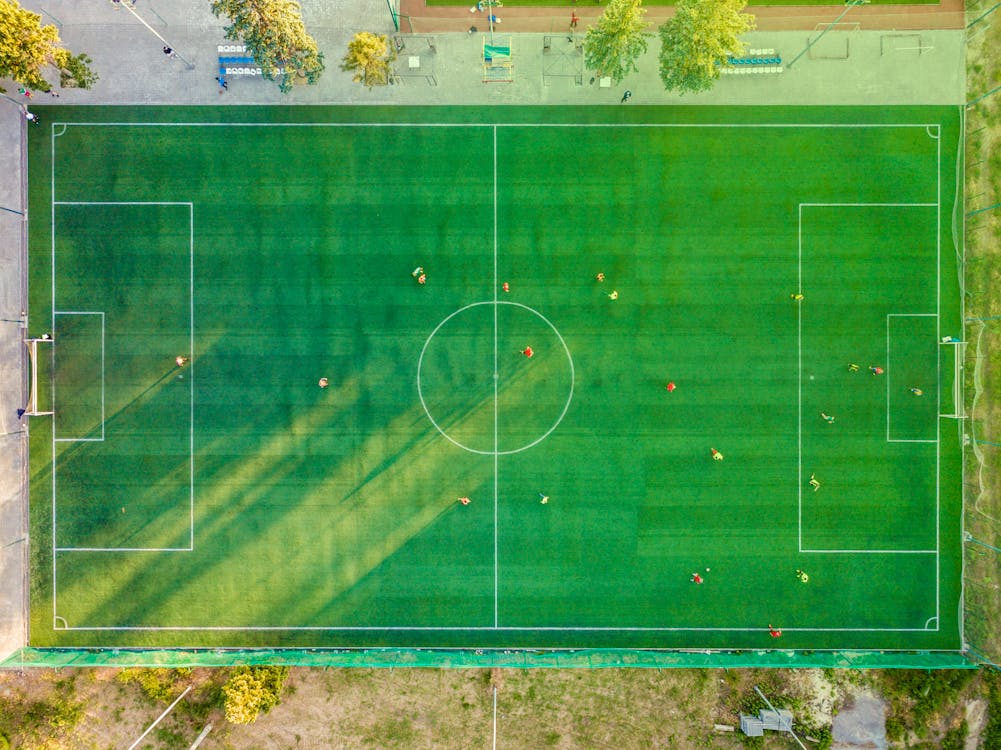
The current system calculates points based on: match result (win/draw/loss), match importance (friendly to World Cup final), opponent strength (higher-ranked opponents yield more points), and confederation strength (UEFA and CONMEBOL matches weighted higher). A World Cup final victory against the top-ranked team yields the maximum possible points gain.
ADVERTISEMENT
Brazil has spent the most total months at No.1 (over 200 months). Germany, Spain, Argentina, and France have all held extended periods at the top. Spain's dominance from 2008-2013 (winning Euro 2008, World Cup 2010, Euro 2012) saw them hold No.1 for a record consecutive period of 56 months.
ADVERTISEMENT
Rankings don't always predict tournament success. Greece won Euro 2004 ranked 35th. Denmark won Euro 1992 as a late replacement. However, statistical analysis shows that top-10 ranked teams account for 78% of World Cup semi-finalists since the ranking system's introduction, validating the system's predictive power for long-term competitiveness.
ADVERTISEMENT
Related Articles